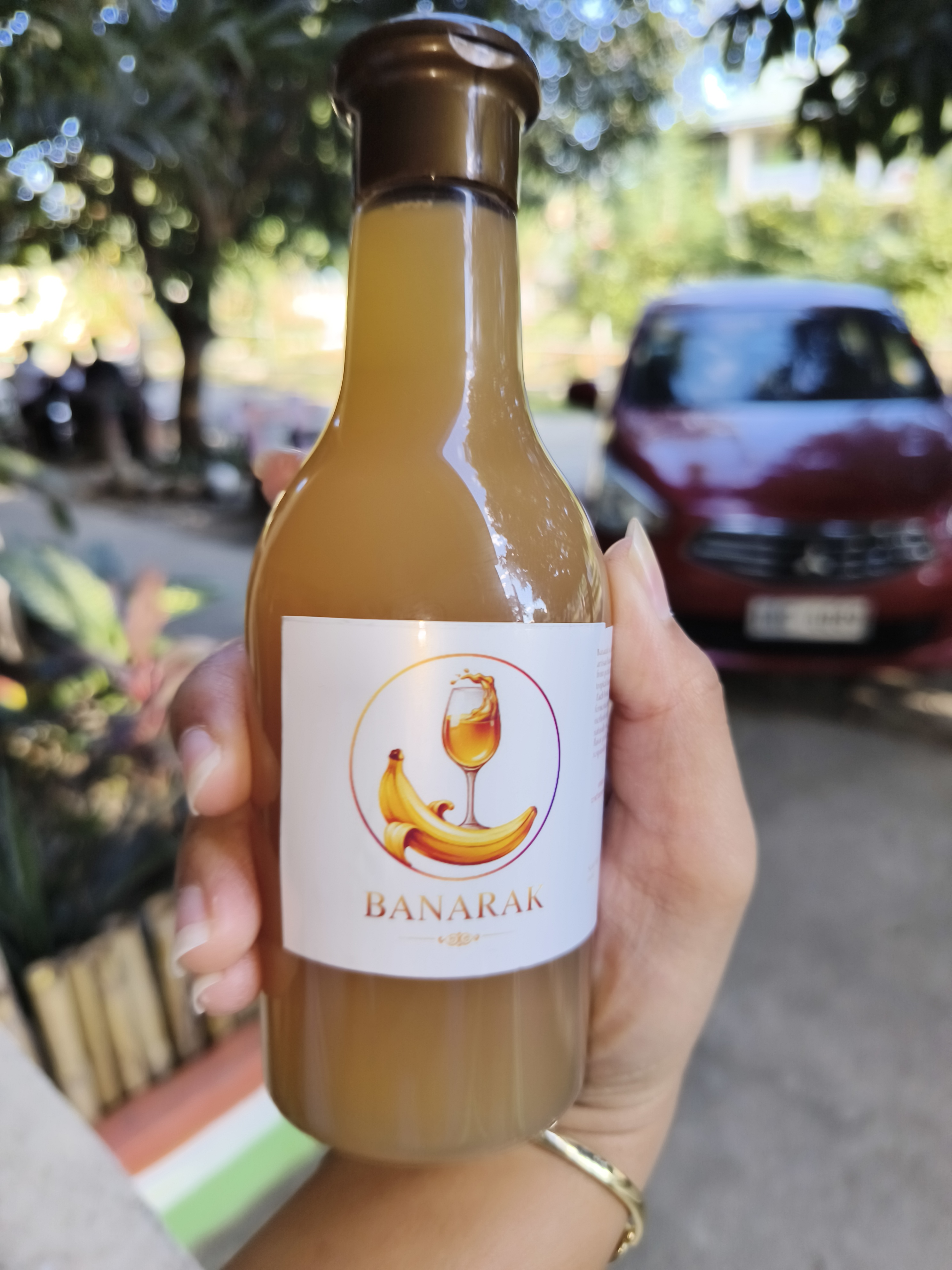
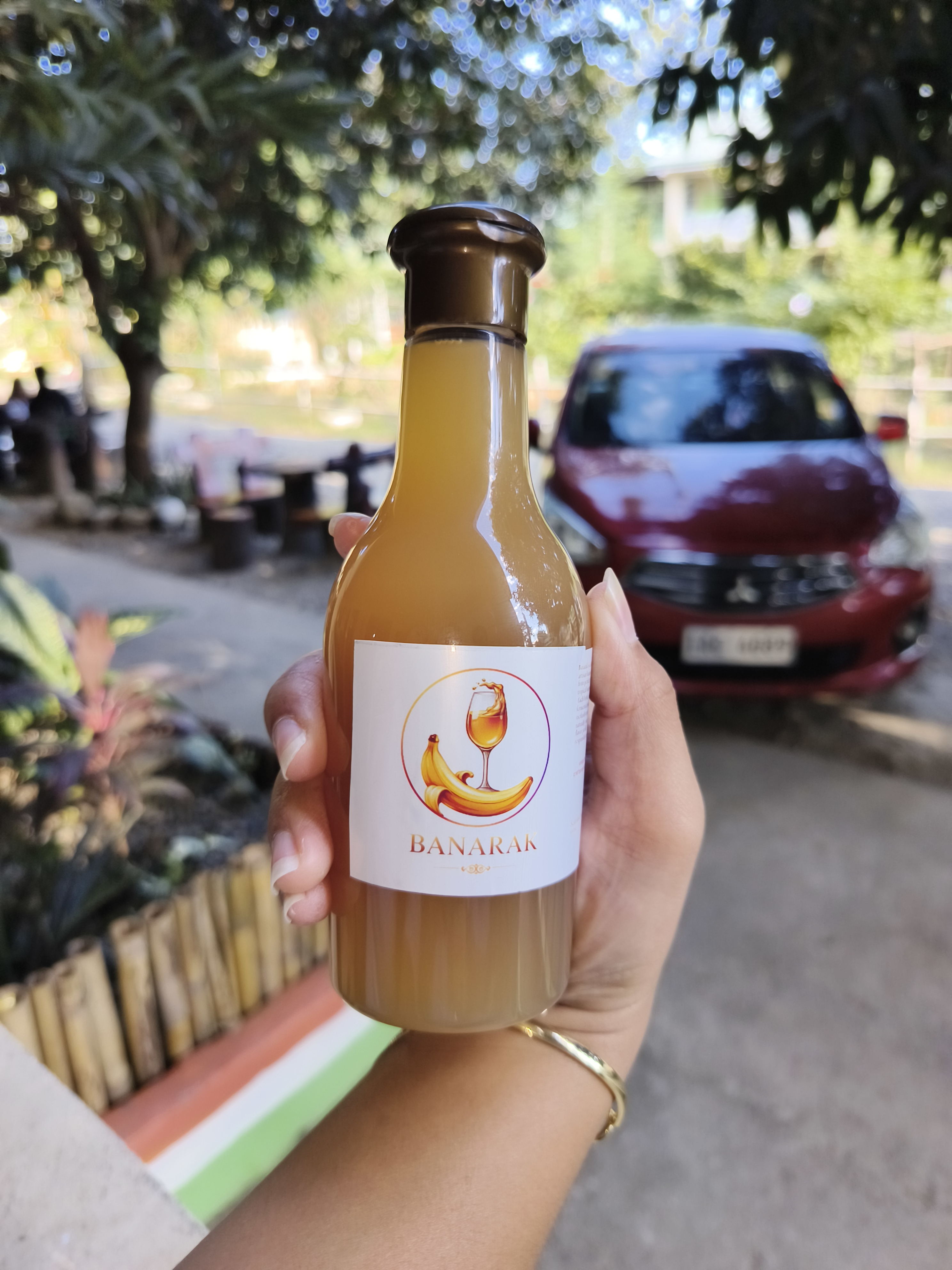
Discover Banarak, a unique homemade banana wine that transforms the tropical sweetness of perfectly ripened bananas into an elegant, sophisticated beverage. Each bottle is carefully crafted using traditional methods and passion for excellence.
What Makes Banarak Special
🍌
Premium Ingredients
Made from carefully selected, perfectly ripened bananas for optimal flavor and sweetness.
🍷
Traditional Craft
Handcrafted using time-honored fermentation techniques passed down through generations.
✨
Unique Flavor Profile
A delightful balance of tropical sweetness with subtle notes of punch.
❤️
Made with Passion
Each batch is crafted with dedication, ensuring exceptional quality in every bottle.
😉
From Mario's Porman Work
Our wine is engineered by Mario Amihan Jr. to bring you the best experience.
Ready to Experience Banarak?
Order your bottle of banana wine today.
How Banarak is Made
The art of crafting our banana wine involves a careful, time-honored process that transforms fresh bananas into a sophisticated beverage.
⚠️ All equipment must be sterilised apart from the saucepans
Ingredients
1.2 KgBananas (old and brown are best)
200 gSultanas
900 gSugar
1Lemon
1Teabag (black tea)
1Wine Yeast
Instructions
1
Prepare the Base
Add about 4 litres of water to your largest pan. Roughly chop your bananas (including the skin) and add to the pan, along with the sultanas.
2
Simmer
Slowly bring the pan to the boil, once boiling, turn it down and let it simmer.
3
Prepare Tea & Lemon
While the pan is simmering, boil the kettle and add the teabag to a mug of boiling water and leave to brew. Extract the juice from your lemon and add it to the pan.
4
Mash the Ingredients
Once the bananas and sultanas have been simmering for about 5 minutes, start using the masher to gently mash the ingredients in the water. This helps the juices infuse with the water. Continue until you can no longer feel any chunks, about 5 minutes. Be careful - the water is boiling and enthusiastic mashing will cause splashes!
5
Add Tea for Tannin
Remove the teabag from the mug and add it to the pan, and give it a quick stir. This adds tannin which helps to give body and a balanced flavour to the wine.
6
Cool the Mixture
Turn off the heat from the saucepan, put a lid over the pan (or tea towel) and leave the liquid to cool a little. If you have plenty of time you could leave this overnight, helping it to develop a stronger flavour.
7
Filter the Liquid
Once the liquid has cooled for a few minutes, start filtering it into a clean saucepan using the sieve, muslin and ladle. Be careful not to squash the juice through the cloth - this will cause unwanted particles to be pushed through and take much longer for your wine to clear.
8
Add Sugar & Sterilize
Once all liquid has been strained, add it back into the original (cleaned) pan. Bring the liquid back to the boil quickly, then carefully add the sugar while gently stirring. Once the sugar has dissolved, turn the heat off. This ensures all liquid is completely sterile when going into your Demijohn.
9
Cool Down Again
If your saucepan has a lid, put it on and leave the pan to cool for about an hour. If it doesn't, you can cool the pan down in a sink full of cold water.
10
Transfer to Demijohn
Once the liquid has cooled enough for you to handle it without gloves, add the liquid to your Demijohn using your sterilised funnel. Once filled, put your sterilised Airlock on straight away. Don't add boiling water to the Demijohn as this can cause it to smash!
11
Optional: Add Pectolase
If you are using Pectolase you can add this now. Pectolase will help your wine clear slightly quicker.
12
Add Yeast & Ferment
Add the yeast, use the quantity stated on the packaging. Now your wine can start fermenting! For best results keep it in a warm dark place without fluctuating temperatures like an airing cupboard.
Racking
This wine is full of sediment and clears quite quickly. Recommended racking schedule:
1
First Rack
After 1 week
2
Second Rack
At 3 weeks
3
Third Rack
At 6 weeks
4
Final Rack
Once fermentation stops
Bottling
You can bottle the wine once it has cleared and finished fermenting, usually after at least 3 months. Personally, I like to wait between 6 and 12 months.
⚠️ Important Warnings
If you bottle before it has finished fermenting, it can explode in the bottles
If you are new to winemaking, use a stabiliser which will kill off any active yeast
If the wine still has a lot of sediment at the bottling stage, it may create an off flavour
🍷 Aging Recommendation
This wine will need at least 1 year in the bottle to allow the flavours to properly develop. Make sure you don't drink it all - save a few bottles back to mature!
Ready to Experience Banarak?
Skip the hard work and enjoy our expertly crafted banana wine.